Blog


The term safety culture can be traced back to the 1986 nuclear explosion at Chernobyl. Today, we define safety culture around the shared systems of beliefs, values and attitudes in the workplace. The way organisations manage people is also evolving. Causing a move away from the traditional applications of safety culture to keep up with the new theories in management.
Read more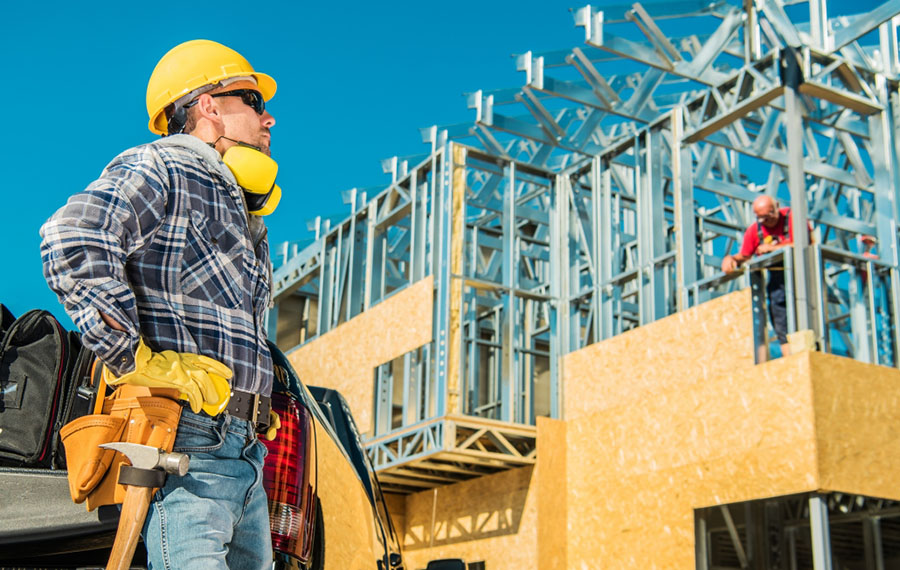
The construction industry in Australia is worth over $360 Billion and accounts for around 9% of Australia’s GDP. In 2021, there were 1,160,700 people employed in the industry and projections indicate that figure will reach 1,263,900 by 2025. Over the next five years, the construction industry is projected to grow by 2.4%.
Read more
A Work Health and Safety (WHS) incident can happen to anyone, anywhere, regardless of your company’s size, industry, or location. No matter what area of work you and your workers are engaged in, there is always the risk of an event or series of events that could cause injury, illness, death, and loss of your company’s assets and reputation.
Read more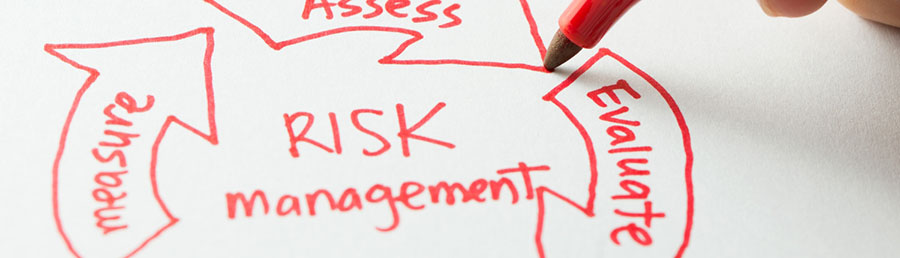
There is endless content out there to explain the “What” questions when it comes to SWMS, but not many address the “How”. In this article, we will introduce you to why the process you follow is important and how using a paper-based safety management system is a risky choice for workplace safety.
Read more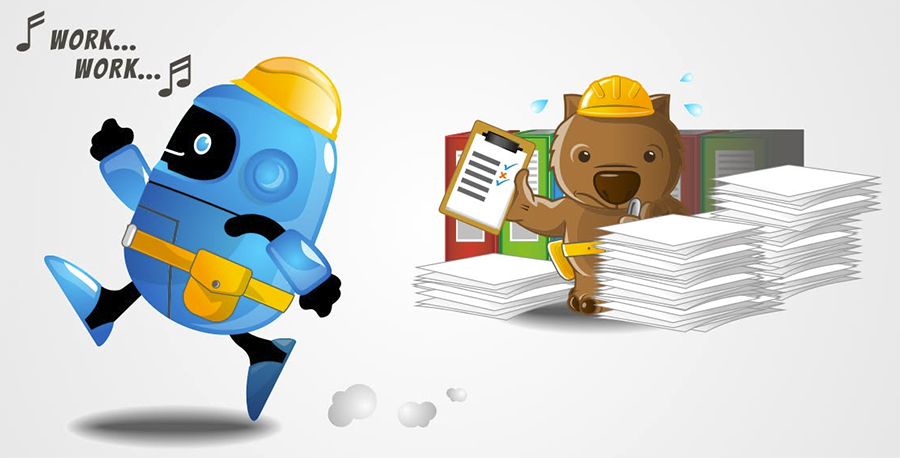
Writing risk assessments is something people involved in high risk construction work deal with on a daily basis. The paperwork involved can seem monotonous and just plain annoying which begs the question: why are risk assessments important?
Read more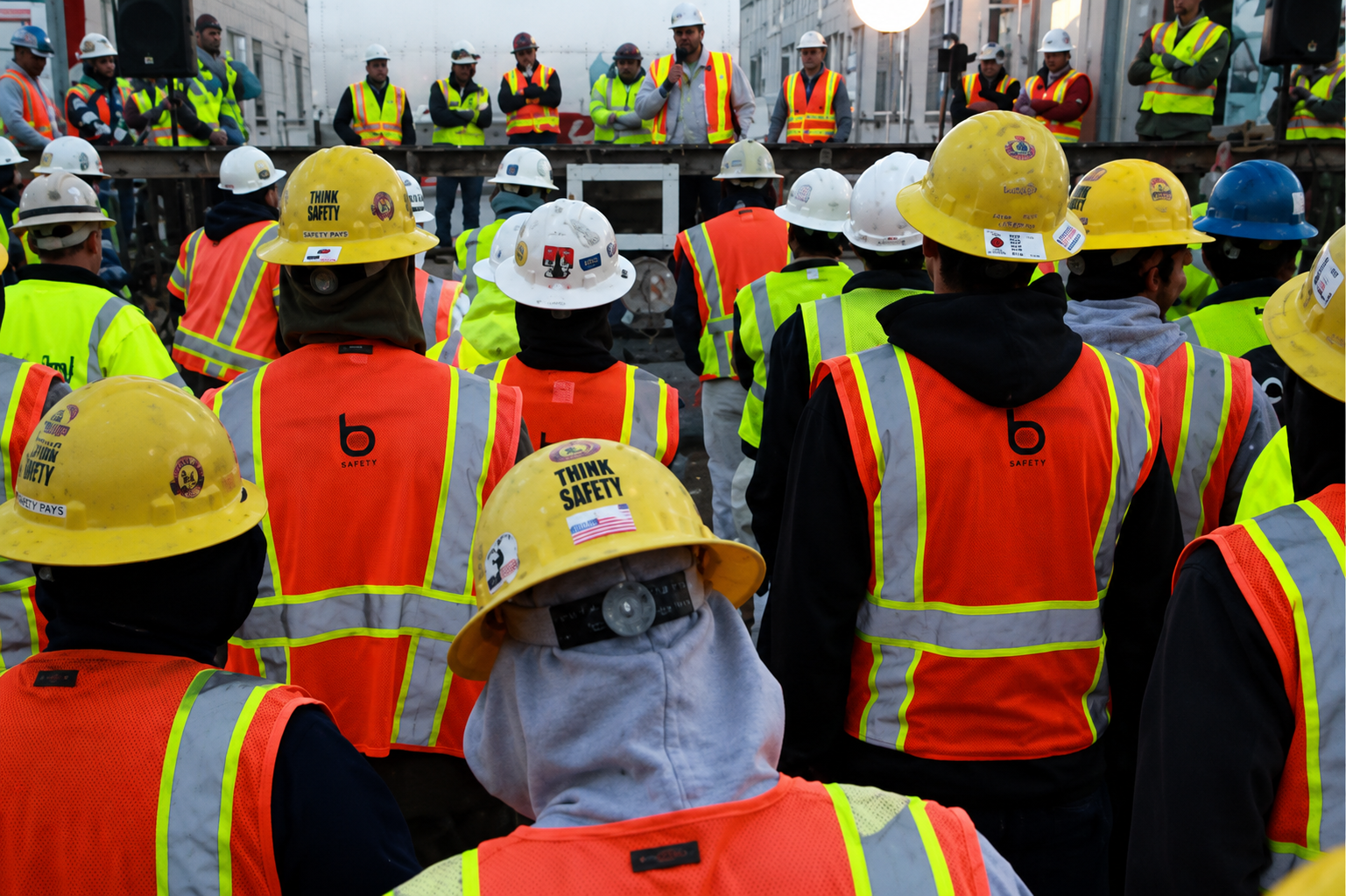
Workplace safety issues are not always at the top of people’s priorities. Often left to the last minute or delegated down, occupational health and safety is seen as the last kid you’d pick in the schoolyard footy team. Yet with the right amount of teamwork and training, that kid could very well score the game-winning try.
Read more
On a safe work site, the core ingredient will always be good communication between workers and employers. However, while almost one third of construction workers agree that conditions in their workplace stopped them from working safely, the figure reported by their employers was much lower.
Read more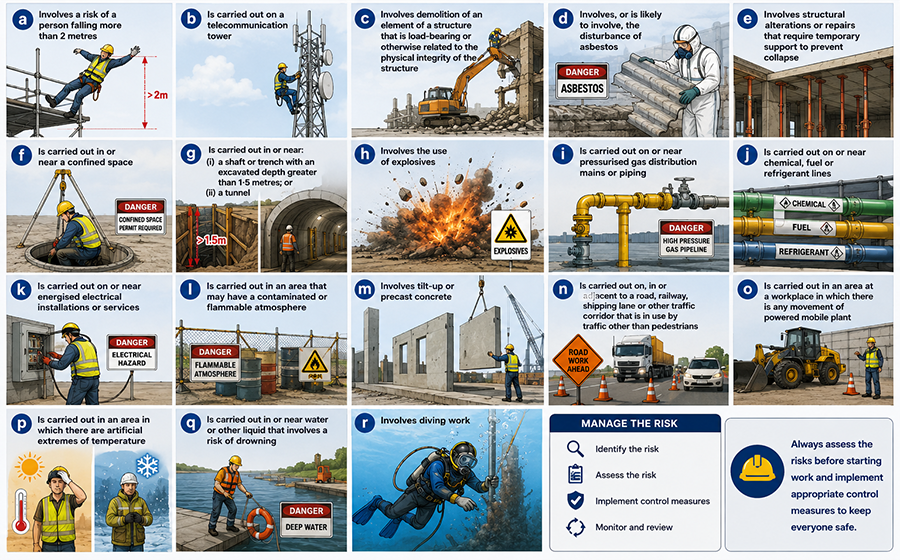
Health risks at work can range from catching a common cold off co-workers to suffering a serious injury. These risks however, are far more prominent in the construction industry, which saw 17 workplace deaths in 2013*. This is a stark figure, especially for a developed and modern country like Australia. Nonetheless the number of Australian worker injuries and fatalities is a solemn reminder of the inherent dangers involved in high risk construction work.
Read more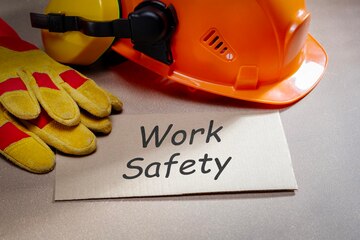
The beauty of Safe Work Australia Month is that it not only increases the public’s awareness of safe working practices but it also fosters the sharing of innovative ideas. This approach gives employees and employers the ability to form occupational health and safety procedures that evolve with safety laws in the workplace. In one Safe Work Month event hosted by Workplace Health and Safety Queensland, Andrew
Read more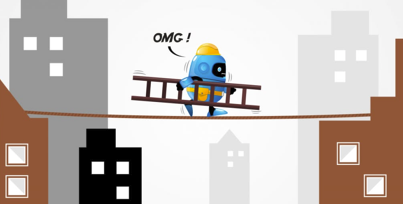
On any construction site you are bound to see at least one ladder being used to conduct work at heights. However, statistics show from 2003 to 2012 that 46 workers died falling from a ladder. This indicates some serious flaws in the risk management process for this device.
Read more
Stay updated with the latest news, exclusive offers, and special updates delivered straight to your inbox.
Northlink Pl, Virginia QLD 4014
+61 7 2104 9966
support@safeworkpro.com