Blog

The Australian Institute of Health and Safety (AIHS) has urged national leaders to provide better guidance for businesses to keep workers safe and healthy, and for the Australian Federal Government to provide access to Rapid Antigen Testing (RAT) for workers.
Read more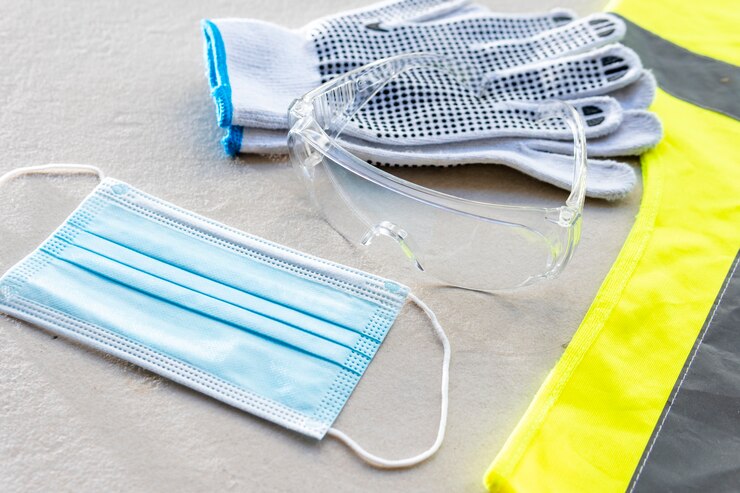
Businesses in all industries will be affected by the constantly changing public health orders for Covid-19. With restrictions beginning to ease, new orders will be released state-state that will have impacts on how businesses operate and maintain a safe working environment.
Read more
In the hussle and bussle of high risk construction work, an independent contractor will be on several different sites in a month so having a firm understanding of the risk assessment worksheet is vital. At each construction site they must carry out several safety and risk management processes or face strict penalties.
Read more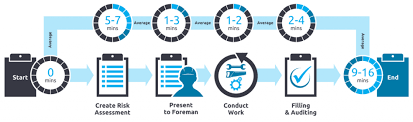
It makes sense to calculate just how much money you can save with risk assessment software before you sign up. So using our risk assessment productivity case study, we’ve calculated the savings for a business to be between $72.25 and $116.15 per worker, per month. Not too shabby.
Read more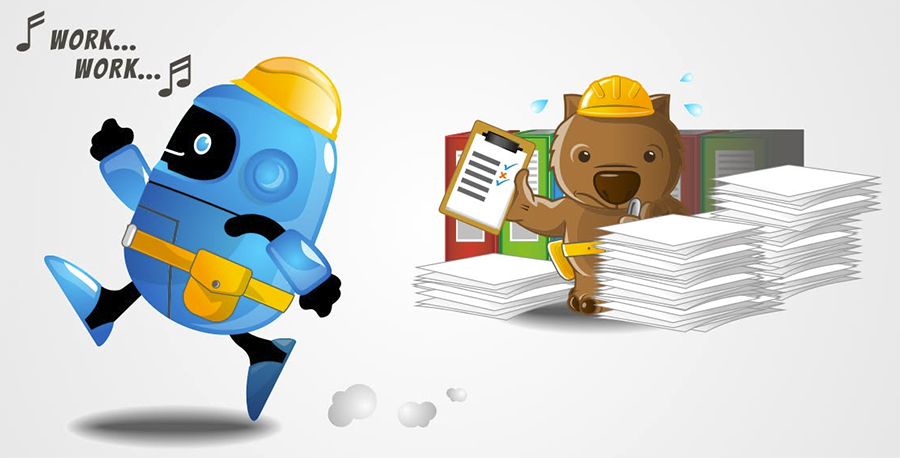
Writing risk assessments is something people involved in high risk construction work deal with on a daily basis. The paperwork involved can seem monotonous and just plain annoying which begs the question: why are risk assessments important?
Read more
When working with hazardous substances or chemicals, it is especially important to effectively complete risk assessments. One way to help in this area is to complete a risk assessment checklist before beginning any high risk construction work.
Read more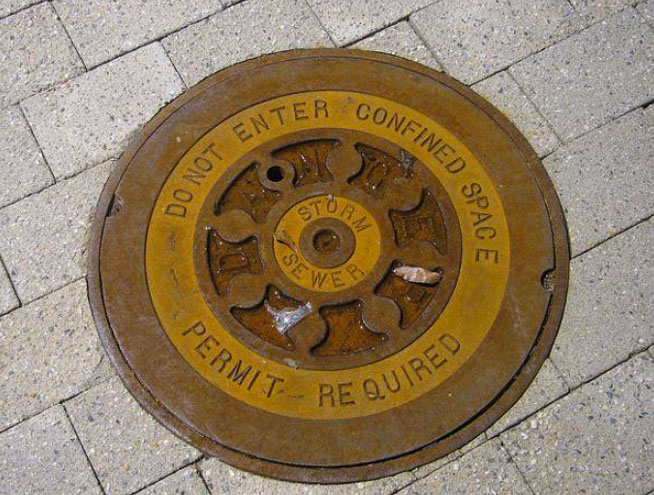
In the previous article ‘Working in Confined Spaces Risk Assessment’, we looked at the definition of ‘confined space’ and what generic risks and hazards are associated with it. It is clear that confined spaces fall under the mandate of what constitutes high risk construction work.
Read more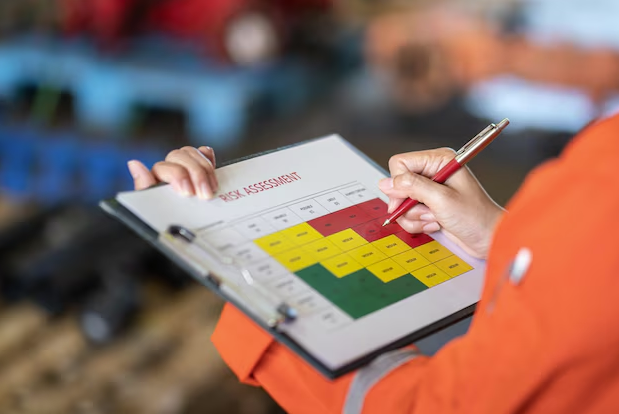
There are two answers to this question. First of all, creating safety culture within all aspects of the Australian workforce is the purpose of risk assessment. So by keeping records of completed risk assessments you have documents to refer back to for help with future health and safety tasks.
Read more
Every business risk is different but if you take an average value on the cost associated with each part of the risk analysis process, you’ll get a fair idea about how inefficient the paper-based method actually is.
Read more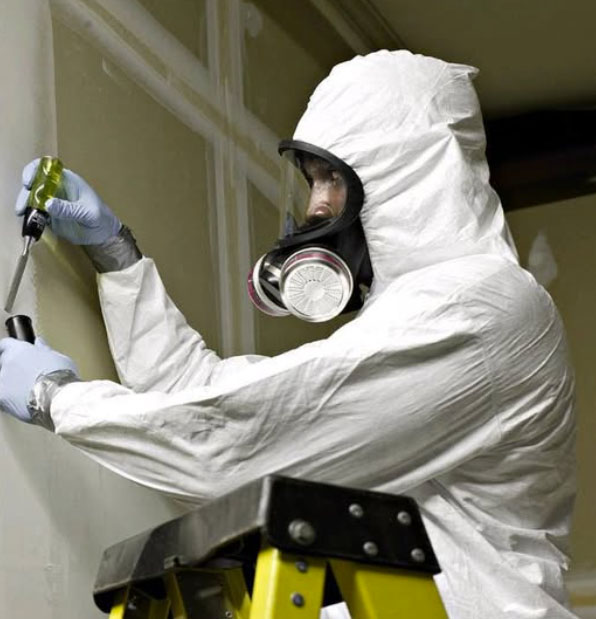
Strictly speaking, asbestos poisoning is not a medical term but it does broadly describe the range of potentially life threatening diseases someone can contract if exposed to asbestos fibres. Although the different types of asbestos have varying levels of danger, all have the potential to cause disease if mishandled.
Read more
Stay updated with the latest news, exclusive offers, and special updates delivered straight to your inbox.
Northlink Pl, Virginia QLD 4014
+61 7 2104 9966
support@safeworkpro.com