Blog

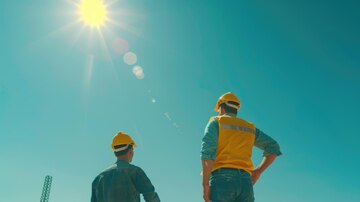
Ultra-violet (UV) rays are deadly, so sun safety is vital in Queensland where the UV Index is three or above all year round. Outdoor workers must be supplied with sun protective clothing including a hat, sunscreen and sunglasses. You can also look at the possibility of rotating tasks that are in the sun, reorganising work schedules or providing a portable shade structure if the temperatures soar.
Read more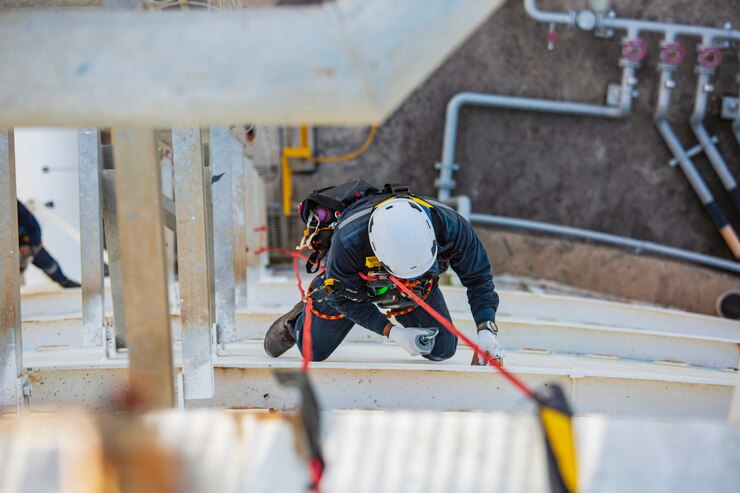
Not all building projects require a hazard risk analysis. In fact according to Safe Work Australia, construction activities must equal or exceed a cost of $250 000 to be legally defined as a construction project. Nonetheless any worksite that involves a specific type of high risk construction work must comply with OHS legislation Australia, or more specifically the Work Health and Safety Act. This means risk assessments.
Read more
They both sound like they mean the same thing but there is a difference between a risk and a hazard. Understanding this difference is an aspect of health and safety information that is all too often overlooked by workers and managers alike. In the field of occupational health and safety, this is but one of many basic risk assessment questions.
Read more
This is one of the many risk assessment questions that construction businesses ask but the answer is not as straightforward as you would assume. ‘Dangerous incident’ is a term that comes with certain responsibilities under OHS laws and has immediate effects on potentially any workplace risk assessment.
Read more
Compliance basically means that you are playing by the rules, and in the game of safety and productivity, the Work Health and Safety Act (WHS) is top dog. The WHS Act states that the person conducting a business or undertaking (PCBU) is responsible for the health and safety risk assessment form of every worker. alternatives in risk assessment software.
Read more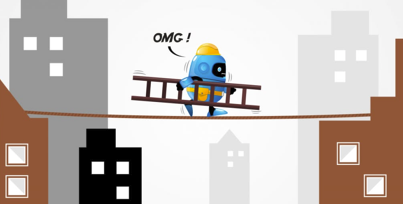
On any construction site you are bound to see at least one ladder being used to conduct work at heights. However, statistics show from 2003 to 2012 that 46 workers died falling from a ladder. This indicates some serious flaws in the risk management process for this device.
Read more
The management of risk is defined by a framework of control measures which prioritise the highest forms of protection down to the lowest. This risk management framework, or hierarchy as it is also known, breaks various risk control methods into three levels ranging from most effective to the least reliable. Under OHS laws and regulations, duty holders are required to work through this framework when conducing risk management in construction.
Read more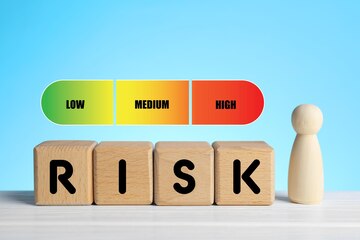
The risk assessment workflow traditionally associated with high risk construction work has a major flaw that many in the industry don’t know exists. Paper-based risk assessments, although standard industry practice, have a significant time-cost that cuts into business productivity and complicates safe work practices.
Read more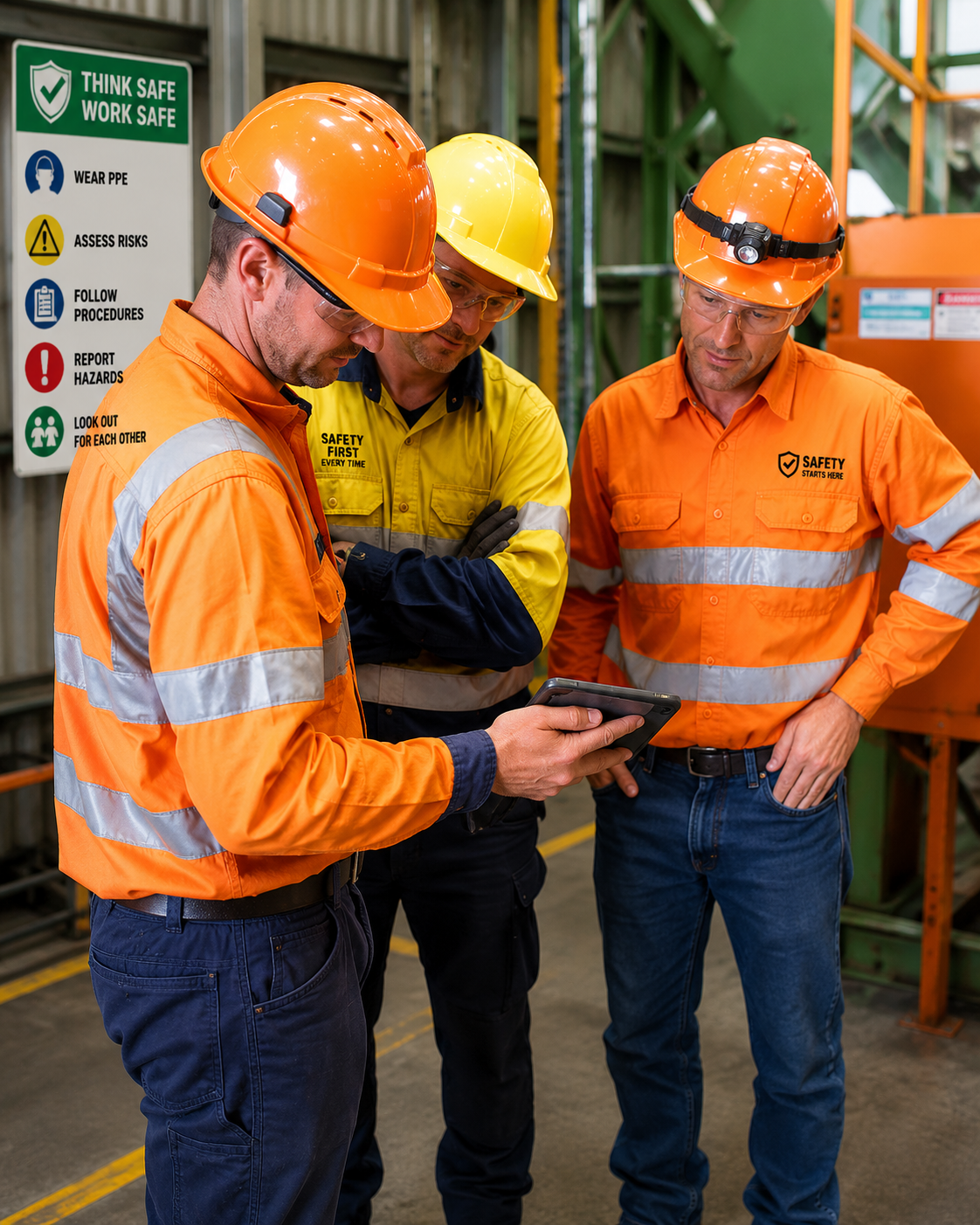
Software like SafeWorkPro provides workers and managers alike with the tools to create their own safety documents, regardless of their type of work involves. This tool removes the hassle of paperwork from OHS policy and procedures while promoting a safer work environment.
Read more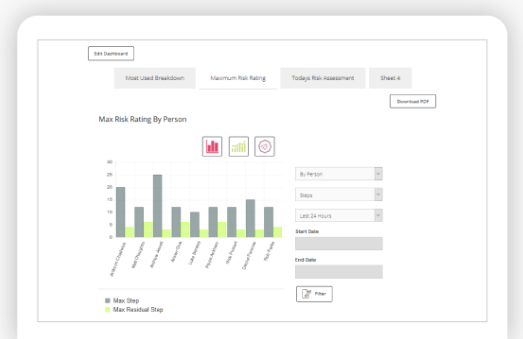
No matter the type of industry, whether it’s mining, construction, manufacturing or even basic labour, risk is a constantly evolving threat. Dangers associated with any type of work threaten not only the well-being of workers, but also how productive and profitable a business can be.
Read more
Stay updated with the latest news, exclusive offers, and special updates delivered straight to your inbox.
Northlink Pl, Virginia QLD 4014
+61 7 2104 9966
support@safeworkpro.com