Blog


The best way to explain risk assessment software is to look at the advantages it has over the traditional paper-based method. For starters, as any business owner or manager would know, time is money, so a core value of risk assessment software is speed. The easy accessibility of construction safety software makes it instantly superior over the tiresome and time-consuming task of writing a risk assessment on paper.
Read more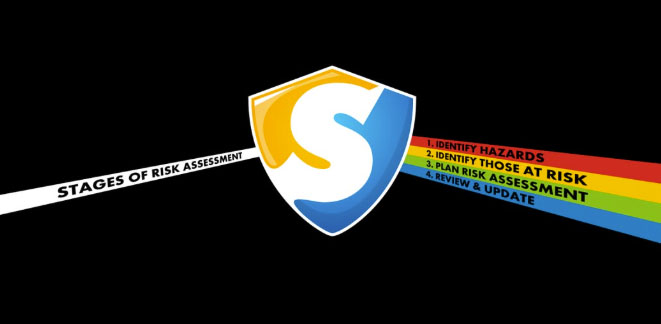
The stages of risk assessment are pretty straightforward. Ultimately you want a risk assessment process that can identify hazards and who may be harmed, and outline the risk management methodologies that can prevent an incident. These are vital to a risk assessment workflow that is both successful and safe.
Read more
SafeWorkPro is a digital tool that allows businesses to manage their risk assessments and safe work method statements (SWMS) on smartphone and tablet devices. It was designed in detailed consultation with Cole Contracting – a Brisbane based electrical contractor with over 17 years experience in the industry.
Read more
Safety software systems, like SafeWorkPro, enable both workers and managers to create their own safety documents with reasonable ease thus boosting productivity and promoting a strong workplace safety culture. For more information on these benefits, read how writing your own safety documents can boost productivity.
Read more
In the past, Australia’s vast array of workplace regulations made OHS compliance about as easy as blindfolded origami. Regulatory standards changed from state to state and figuring out which worksafe Australia codes of practice applied to which job required scrolling through pages of health and safety laws written in complicated legal-lingo. This cost businesses time and money, so in 2008 Safe Work Australia was established with the aim of streamlining this process.
Read more
Occupational health and safety is a time consuming task that every business, construction or otherwise, has to deal with on a daily basis. In construction, the time-cost associated with the mandatory risk assessment process is demanding for both workers on the job and managers back at the office.
Read more
Any type of construction site risk assessment will have to contend with quickly changing circumstances that may alter or amplify workplace hazards. One of the most effective risk mitigation techniques has proven to be the use of a dynamic risk assessment to address the continually changing nature of high risk construction work.
Read more
Learning how to perform a risk assessment does not have to be a painful experience. It’s all about simplicity. The best risk assessment format is one that remains basic enough so that anyone can easily understand it. Training risk assessment programs are recommended for more complex jobs but for the simpler worksites these tips will teach you how to write a risk assessment.
Read more
High risk construction work is a never-ending list of potential dangers and could be hazards that eventually result in tedious paperwork. Some workers just ignore risk assessment for construction and instead hope the painful sting of regulation doesn’t find them. With all the paperwork that’s involved, risk assessments take too much time and when you’re on the job, time is money.
Read more
How do you know if your risk assessment in the workplace complies with OHS legislation Australia? Risk assessment in construction is not an exact science and mistakes can be made. As a manager or business owner, it’s your legal responsibility to ensure your workforce is safe and compliant, or else you risk the regulator’s wrath.
Read more
Stay updated with the latest news, exclusive offers, and special updates delivered straight to your inbox.
Northlink Pl, Virginia QLD 4014
+61 7 2104 9966
support@safeworkpro.com